


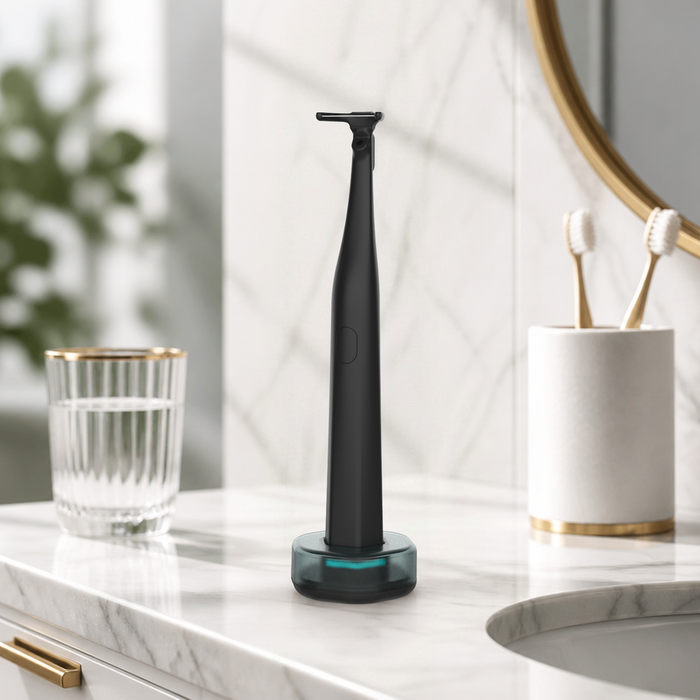


Best Ultrasonic Cleaning Solution for Dental Appliances
Choosing the best ultrasonic cleaner solution is an important part of keeping removable dental appliances clean and well maintained. Whether you wear dentures, retainers, clear aligners, or a night guard, you may wonder what should be placed inside an ultrasonic cleaner to achieve the best results.
Many first-time users assume that ultrasonic cleaners require a special cleaning liquid every time they are used. The good news is that ultrasonic cleaning is designed to work through high-frequency sound waves rather than relying entirely on chemical cleaners. In many situations, clean water alone is suitable for everyday maintenance.
How Does an Ultrasonic Cleaner Work?
Unlike traditional soaking methods, ultrasonic cleaners rely on high-frequency sound waves to create microscopic bubbles in water. This process, known as cavitation, produces gentle physical cleaning action that helps loosen debris from the surface of removable dental appliances.
Because the cleaning action comes primarily from ultrasonic vibration rather than chemical reactions, many users are surprised to learn that an ultrasonic cleaner can often operate effectively using only clean water for routine maintenance. This makes it different from traditional soaking tablets, which depend mainly on chemical ingredients.
Is Water Enough, or Do You Need a Cleaning Solution?
One of the most common questions people ask is whether they need a special cleaning liquid. The answer depends on what you are cleaning and how often you use the device.
For daily maintenance, water allows the ultrasonic waves to generate cavitation effectively while providing a simple and convenient routine. However, adding a cleaning solution may be beneficial when:
- Removing heavier buildup after extended use.
- Addressing stubborn stains.
- Freshening appliances that have not been cleaned regularly.
- Following specific recommendations from your dentist.
What Makes the Best Ultrasonic Cleaner Solution?
A good solution should support the materials used in removable dental appliances while fitting comfortably into your daily routine. Look for solutions that are:
- Compatible with dentures, retainers, aligners, and night guards.
- Designed specifically for oral appliances.
- Gentle enough for regular use and easy to rinse away.
Voraiya Oral Station — Designed for Everyday Ultrasonic Cleaning
Choosing the best ultrasonic cleaner solution is only part of the process. Equally important is selecting a device designed specifically for oral appliances. The Voraiya Oral Station combines 45kHz ultrasonic technology with a simple water-based process that fits naturally into daily care.

Voraiya Oral Station
- Professional 45kHz Tech: Powerful cavitation designed specifically for dentures, retainers, and aligners.
- Detachable Cleaning Cup: Simplifies filling, emptying, and rinsing without moving the whole base.
- One-Button Simplicity: Quick 5-minute cleaning cycle for effortless daily maintenance.
$79.99
Shop Oral Station →Key Features
- 45kHz ultrasonic cleaning technology.
- Water-based cleaning for daily maintenance.
- Detachable cleaning cup for convenient rinsing.
- Compact design and one-button operation.
When Should You Use a Cleaning Solution?
Although plain water works well, you may choose to alternate with a cleaning solution if:
- Your dentures or retainers have noticeable buildup.
- Odors remain after normal cleaning.
- You have not cleaned the appliance for several days.
Common Mistakes When Using Ultrasonic Cleaners
Using Household Cleaning Chemicals
Products such as bleach, alcohol, or household detergents should never be added. These are not intended for oral appliances and may damage the materials.
Filling the Tank with Hot Water
Very hot water can affect the shape of plastic appliances, particularly retainers and clear aligners. Cool or lukewarm water is generally the safer choice.
Forgetting to Replace the Water
Fresh water should be used for each cleaning cycle. Reusing dirty water may reduce performance and leave debris behind.
Frequently Asked Questions
What is the best ultrasonic cleaner solution for dental appliances?
For everyday maintenance, fresh water is often best. Ultrasonic-compatible solutions can be used occasionally when deeper cleaning is needed or recommended by a professional.
Can I use only water in an ultrasonic cleaner?
Yes. Water is commonly used for daily cleaning of dentures, retainers, and aligners. The ultrasonic cavitation provides effective physical cleaning without the need for daily chemicals.
Do ultrasonic cleaners need special cleaning liquid?
Not always. The process relies primarily on sound waves. While specialized solutions provide extra help for stubborn stains, they are not required for every cycle.
How often should I use a cleaning solution?
This depends on your specific needs. Many users follow a "Water Daily, Solution Occasionally" routine to keep their appliances fresh without overusing chemicals.
Can one ultrasonic cleaner clean different dental appliances?
Yes. Devices like the Voraiya Oral Station are designed for multiple appliances. Simply rinse the chamber between cleaning different items.
Final Thoughts
Finding the best ultrasonic cleaner solution is about creating a routine that is effective and easy to maintain. A simple, consistent approach with the right technology can help keep your dental appliances fresh and comfortable for years to come.
Professional Care for Your Smile
Experience the convenience of 45kHz ultrasonic cleaning. Effective, gentle, and designed for your daily routine.
30-Day Money-Back Guarantee · Fast & Free Shipping Over $50
Shop All Cleaners → View Oral Station →
This article is for general informational purposes only and does not constitute dental advice. For guidance specific to your appliance material or dental condition, please consult your dentist or orthodontist.


