




Can Ultrasonic Cleaners Remove Tartar, Plaque, and Stains? The Truth Explained
Share
If your retainer looks cloudy, your dentures have developed yellow stains, or your night guard no longer feels as fresh as it used to, you may wonder whether an ultrasonic cleaner can solve the problem.
Many users search for an easy solution that can remove buildup without spending extra time brushing or soaking dental appliances. This has made ultrasonic cleaners increasingly popular for cleaning clear aligners, retainers, night guards, dentures, and partial dentures.
The answer depends on what type of buildup you are trying to remove. Ultrasonic cleaning is highly effective for removing loose debris, food particles, and plaque buildup. However, hardened tartar that has already formed is much more difficult to remove and may require professional dental cleaning.
The Short Answer: What Can an Ultrasonic Cleaner Remove?
An ultrasonic cleaner can help remove:
- ✅ Food particles and daily debris
- ✅ Soft plaque buildup
- ✅ Bacteria-containing biofilm
- ✅ Some surface stains from coffee, tea, and smoking
However, it is less effective against:
- ❌ Hard, mineralized tartar
- ❌ Long-term buildup that has strongly bonded to the appliance surface
The main benefit of ultrasonic cleaning is not only removing existing buildup — it is also helping prevent new buildup from becoming harder to remove. A consistent cleaning routine can help keep removable dental appliances fresher and reduce the chance of plaque developing into hardened deposits.
Understanding Plaque, Tartar, and Stains
What Is Plaque?
Plaque is a soft, sticky layer made up of bacteria, saliva proteins, and food particles. On retainers, aligners, dentures, and night guards, plaque may contribute to unpleasant odors and a cloudy appearance. Because plaque is a relatively soft buildup, ultrasonic cleaning is especially helpful in loosening it from hard-to-reach areas.
What Is Tartar?
Tartar, also called calculus, forms when plaque is left on a surface for an extended period and absorbs minerals from saliva. Unlike soft plaque, tartar becomes hardened and firmly attached. For dental appliances, tartar may appear as white or yellow crusty spots. A home ultrasonic cleaner may not completely remove tartar once it has formed.
How Ultrasonic Cleaning Works Against Buildup
The cleaning ability comes from a process called cavitation. When ultrasonic waves pass through water, they create millions of microscopic bubbles. When these bubbles collapse near the surface of a dental appliance, they create gentle pressure changes that help loosen debris in small grooves, edges of retainers, and spaces around denture structures.
Can Ultrasonic Cleaners Remove Stains?
Common causes of stains include coffee, tea, colored beverages, smoking, and food pigments. Ultrasonic cleaning can help remove some surface-level stains by loosening particles attached to the appliance surface. However, deep discoloration that has penetrated the material over a long period may not completely disappear. The earlier stains are addressed, the easier they are to manage.
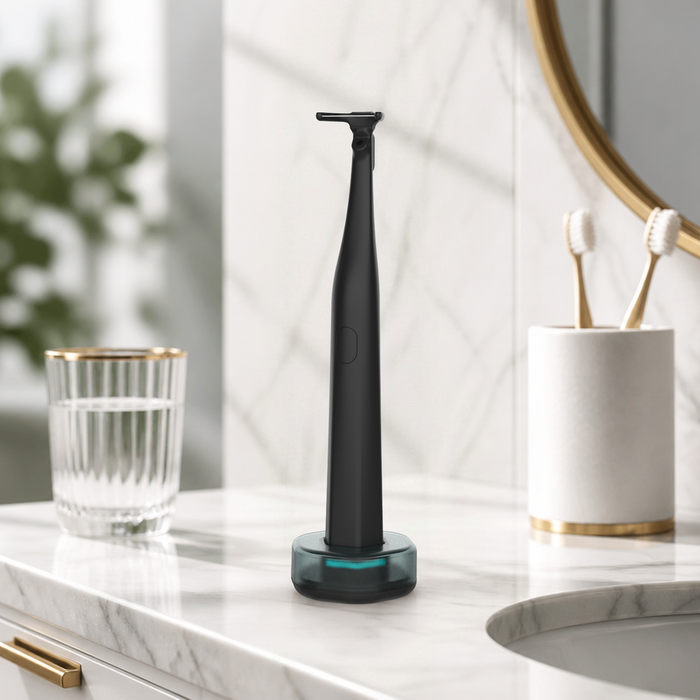
Voraiya Oral Station: Designed for Daily Plaque and Stain Prevention
The Voraiya Oral Station is designed for users who want a simple daily cleaning routine to maintain appliances before problems become harder to solve.
- 45kHz ultrasonic cleaning technology
- Water-based cleaning process
- Designed for removable dental appliances
- Detachable cleaning cup for convenient use
- Compact design for everyday oral care routines
Can Ultrasonic Cleaners Remove Hard Tartar?
It depends on how advanced the buildup is. Fresh plaque and soft deposits are much easier to remove. A home ultrasonic cleaner is designed for daily maintenance, not professional scaling. For hardened tartar, it may help by loosening surface buildup over time or preventing new formation, but thick tartar may require professional cleaning.
Why Daily Prevention Matters More Than Deep Cleaning
Daily ultrasonic cleaning can help:
- Reduce Plaque Accumulation: Removing it regularly helps prevent it from becoming harder deposits.
- Maintain a Fresher Appliance: Consistent cleaning helps maintain a fresher feeling and reduces unpleasant odors.
- Protect Your Dental Appliance: Regular care helps keep clear aligners cleaner, retainers more comfortable, and night guards easier to maintain.
Ultrasonic Cleaner vs. Denture Tablets for Buildup Removal
| Cleaning Method | Ultrasonic Cleaner | Cleaning Tablets |
|---|---|---|
| Main Action | Physical cleaning through ultrasonic waves | Chemical cleaning process |
| Best For | Daily debris, plaque, and maintenance | Additional deep cleaning support |
| Convenience | Quick cleaning cycle | Requires soaking time |
| Daily Use | Easy to repeat regularly | Depends on user preference |
What About UV Ultrasonic Cleaners?
Some cleaners combine ultrasonic cleaning with UV-C light. They work differently:
- Ultrasonic Cleaning: The main purpose is physical cleaning—removing food particles and plaque.
- UV-C Light: Designed as an additional hygiene feature for sanitizing. It does not remove stains or tartar.
How to Improve Ultrasonic Cleaning Results
- Clean Regularly: Daily cleaning prevents problems before they become difficult to manage.
- Rinse Before Cleaning: Removing loose food particles allows the device to focus on smaller debris.
- Use the Correct Water Temperature: Use room-temperature water to avoid affecting the shape of dental materials.
- Maintain the Device: Empty the tank after use and keep the device dry.
Frequently Asked Questions
Can an ultrasonic cleaner remove plaque from retainers?
Yes. Ultrasonic cleaning is designed to help loosen soft buildup such as plaque, food particles, and surface debris from removable dental appliances.
Can an ultrasonic cleaner remove tartar from dentures?
Ultrasonic cleaners may help with maintenance and prevention, but hardened tartar that has already formed may require professional cleaning.
Can ultrasonic cleaners remove yellow stains from retainers?
Ultrasonic cleaners can help remove some surface stains caused by food and beverages. However, deep discoloration inside the material may not completely disappear.
Is ultrasonic cleaning safe for Invisalign and retainers?
Many users use ultrasonic cleaners for removable orthodontic appliances. However, always follow the care instructions provided by your orthodontist or appliance manufacturer.
Final Thoughts
Ultrasonic cleaners are highly useful for removing daily debris, loosening plaque, and maintaining removable dental appliances. The biggest advantage is helping prevent buildup from becoming a bigger problem later.
The Voraiya Oral Station helps users build a more consistent oral appliance care routine. A cleaner appliance comes from small habits performed consistently every day.


