




Sonic Flosser vs Water Flosser: Which One Is Better for Your Daily Routine?
When comparing a sonic flosser vs water flosser, it is easy to assume that one method must be better than the other. Both devices are designed to clean between teeth and along the gumline, but they use completely different technologies.
A water flosser uses a stream of pressurized water to flush around the teeth and gums. A sonic flosser uses high-frequency vibrations and a flossing head to help loosen plaque and food residue between the teeth.
So, which one should you choose? The best option depends on your preferred cleaning method, comfort level, bathroom routine, and how consistently you are likely to use the device.
Sonic Flosser vs Water Flosser: What Is the Difference?
The main difference between these two types of devices is the way they clean between the teeth.
- Sonic flosser: Uses high-frequency vibrations in a flossing head to support a guided cleaning motion.
- Water flosser: Uses a focused stream of water to rinse between the teeth and around the gumline.
- Traditional string floss: Requires manual control to slide the floss between the teeth and curve it around the gumline.
Both sonic flossers and water flossers can be useful additions to an oral care routine. However, their designs create different experiences when it comes to mess, portability, control, and everyday convenience.
How Does a Sonic Flosser Work?
If you are wondering how a sonic flosser works, the process is straightforward. A small motor inside the handle creates rapid vibrations in the flossing head. You then guide the vibrating head between the teeth and along the gumline using gentle, controlled movements.
The sonic vibration helps support the flossing motion, so you do not need to rely entirely on the manual sawing movement used with traditional string floss.
A typical sonic flossing routine includes four simple steps:
- Attach a clean flossing head to the handle.
- Select the preferred vibration mode.
- Gently guide the head between the teeth and along the gumline.
- Turn off the device and rinse it according to the manufacturer's instructions.
Unlike a water flosser, a sonic flosser does not require a water reservoir or a continuous stream of water during use.
How Does a Water Flosser Work?
A water flosser, also called an oral irrigator, uses a motor to pump water through a small tip. The stream is directed between the teeth and along the gumline to help rinse away food particles and loosened debris.
Many water flossers include different pressure settings and interchangeable tips. Some models are designed for use on braces, implants, bridges, or other dental work, although users should follow the advice of their dentist or orthodontist.
Water flossers can be helpful for people who prefer water-based cleaning or find it difficult to use string floss. However, they typically require a water tank, a larger countertop footprint, and a sink or bathroom area where splashing is manageable.
Sonic Flosser vs Water Flosser: Main Advantages
Advantages of a Sonic Flosser
The main sonic flosser benefits are related to portability, control, and a clean, simple user experience.
- Does not require a water reservoir.
- Creates less splashing during use.
- Can be easier to store in a small bathroom.
- Often uses a lightweight cordless handle.
- Can be convenient for travel and daily use.
- Uses vibration to support a more guided flossing motion.
- May be suitable for people who prefer a dry flossing routine.
A sonic flosser can be a practical water flosser alternative for people who want powered interdental cleaning without adding another countertop appliance to their bathroom.
Advantages of a Water Flosser
Water flossers also offer several practical advantages, particularly for people who prefer rinsing between the teeth with water.
- Uses a stream of water to clean between teeth.
- Allows users to adjust water pressure on many models.
- Can be useful for people who find string floss difficult to handle.
- May be convenient for cleaning around certain dental appliances.
- Provides a water-based cleaning experience.
However, a water flosser may require more setup. You need to fill the reservoir, position the device correctly, and clean or empty the tank after use. Some people also find that water flossing creates more splashing than other flossing methods.
Electric Flosser vs Water Flosser: Which Is Easier to Use?
When comparing an electric flosser vs water flosser, convenience is one of the most important factors.
A water flosser normally requires access to a water supply and enough space to use the device near a sink. It can be a good choice if you already enjoy water-based oral care and do not mind the additional setup.
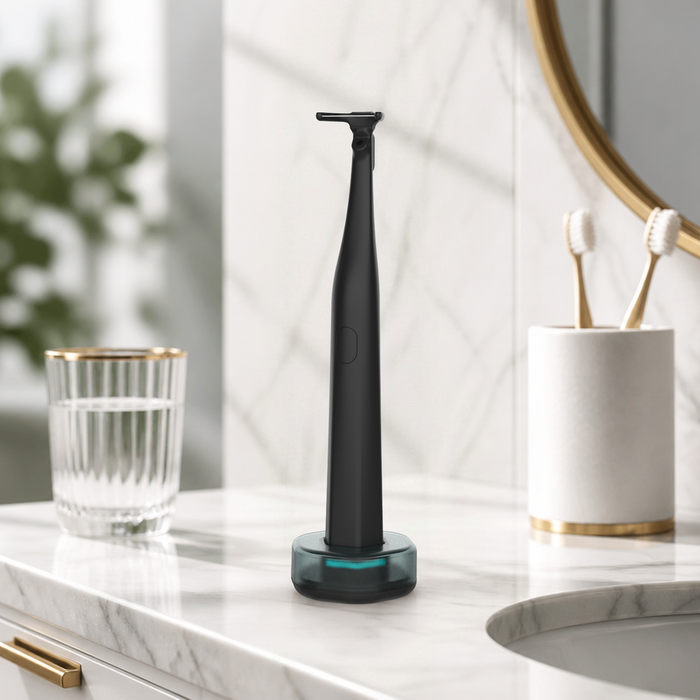
An electric sonic flosser is generally more compact. Many models are cordless and rechargeable, making them easier to keep on a bathroom counter or pack in a travel bag. Since there is no water reservoir to fill, the routine can feel faster and more streamlined.
For people with busy schedules, a portable electric flosser may be easier to use consistently because it requires fewer preparation steps.
Which Is Better for Sensitive Gums?
People with sensitive gums often want to know whether a sonic flosser or water flosser will feel more comfortable. The answer depends on the device settings, the user's technique, and the condition of the gums.
A sonic flosser with multiple vibration modes allows you to begin at a lower setting and adjust gradually. A water flosser with adjustable pressure can provide a similar level of customization.
If you are looking for a sonic flosser for sensitive gums, use gentle movements and avoid forcing the flossing head into tight spaces. If your gums bleed frequently, feel painful, or remain irritated, consult your dentist before using a new device.
Neither device should be used aggressively. The goal is to create a comfortable and repeatable routine rather than applying excessive pressure.
Which Is Better for Braces, Implants, or Dental Work?
People with braces, implants, bridges, crowns, or other dental work may have additional cleaning challenges. A water flosser can be useful for rinsing around brackets, wires, and other hard-to-reach areas. A sonic flosser may also provide a controlled way to clean between teeth, depending on the flossing head and the user's dental needs.
If you are searching for the best flosser for braces, there is no universal answer. Ask your orthodontist which device and attachment style are appropriate for your specific treatment.
The same advice applies to implants, bridges, veneers, and other dental restorations. A dental professional can help you choose the safest technique and recommend the appropriate pressure or vibration setting.
Voraiya Sonic Flossers: Two Options for Different Routines
Voraiya offers two sonic electric flossers designed for people who want a more consistent and convenient way to clean between their teeth.
Both devices use high-frequency sonic vibration, provide multiple cleaning modes, and feature IPX7 waterproof construction. The main difference is how each product is positioned within your oral care routine.
Voraiya LED-Guided Electric Flosser Kit
- Targeted LED Guidance
- Three Sonic Modes
- Ergonomic Handle
- 60-Day Battery Life
$99.99
Shop Guided Flosser →
Voraiya Origin Flosser Electric Flosser Kit
- 14,000 Sonic Vibrations
- Three Smart Modes
- 50 Replacement Heads
- Lightweight Travel Design
$69.90
Shop Origin Flosser →Sonic Flosser vs Water Flosser: Which One Is More Travel-Friendly?
For travel, a sonic flosser is often easier to pack because it does not require a water tank, hose, or countertop base with a large footprint. A rechargeable sonic flosser can be stored in a travel bag and used in different locations with minimal setup.
A water flosser can still be useful when traveling, especially if you prefer water-based cleaning. However, portable water flossers may still require a reservoir and careful cleaning after use.
If you travel frequently or have limited bathroom space, a lightweight waterproof electric flosser may provide a simpler solution.
Does a Sonic Flosser Replace a Water Flosser?
A sonic flosser and water flosser are not identical, so one does not automatically replace the other for every user. They use different cleaning mechanisms and provide different experiences.
A sonic flosser can be a suitable alternative for users who want powered interdental cleaning without water splashing or reservoir maintenance. A water flosser may be preferable for people who specifically want a water stream or who have received a recommendation from their dental professional.
The most important factor is regular, careful use. A device that fits comfortably into your daily routine is more likely to be used consistently.
Frequently Asked Questions
What is the difference between a sonic flosser and a water flosser?
A sonic flosser uses high-frequency vibrations in a flossing head, while a water flosser uses a stream of pressurized water. Both are designed to clean between teeth, but they provide different user experiences.
Is a sonic flosser better than a water flosser?
Neither option is automatically better for everyone. A sonic flosser may be more convenient, portable, and less messy, while a water flosser may appeal to people who prefer water-based cleaning and adjustable water pressure.
Can a sonic flosser replace traditional string floss?
A sonic flosser can provide a powered alternative to traditional string floss for some users. Use the device according to the manufacturer's instructions and ask your dentist which interdental cleaning method is best for your needs.
Is a sonic flosser good for sensitive gums?
A sonic flosser with adjustable modes may allow users to begin with a gentler setting. Use light pressure and consult a dental professional if you experience frequent bleeding, pain, or persistent gum irritation.
Is the Origin Flosser good for travel?
Yes. The Voraiya Origin Flosser is cordless, lightweight, and waterproof. It weighs approximately 80g and includes 50 replacement heads, making it a practical option for daily use and travel.
Can I use a sonic flosser with braces or dental restorations?
Some users may use electric flossers around braces or dental restorations, but the correct method depends on your specific dental treatment. Consult your orthodontist or dentist before using a new flossing device.
Are Voraiya sonic flossers waterproof?
Yes. Both Voraiya sonic flosser models feature an IPX7 waterproof design. They can be rinsed under running water and used in the shower according to the manufacturer's care instructions.
Final Thoughts: Sonic Flosser vs Water Flosser
When comparing a sonic flosser vs water flosser, there is no single choice that is right for every person. Water flossers use a stream of water and may suit users who prefer water-based cleaning. Sonic flossers use high-frequency vibration and may be better for people who want a compact, cordless, and less messy routine.
The Voraiya LED-Guided Electric Flosser Kit is designed for users who want visual guidance, ergonomic control, and three sonic modes. The Voraiya Origin Flosser Electric Flosser Kit is designed for users who prioritize everyday value, lightweight portability, long battery life, and 50 included replacement heads.
Whether you choose a sonic flosser or a water flosser, consistent and gentle interdental cleaning is the most important part of the routine. Select the device that feels comfortable, fits your lifestyle, and makes it easier for you to care for your smile every day.
Choose the Flosser That Fits Your Routine
Compare guided LED precision with everyday sonic value and find your preferred way to floss.
High-Frequency Sonic Cleaning · IPX7 Waterproof Design · Cordless Convenience
Shop LED-Guided Flosser → Shop Origin Flosser →
Disclaimer: This article is for general informational purposes only and does not constitute dental advice. Consult your dentist or orthodontist for personalized recommendations, especially if you have braces, implants, dental restorations, sensitive gums, or other oral health concerns.


