




Retainer Cleaner

Electric Flossers
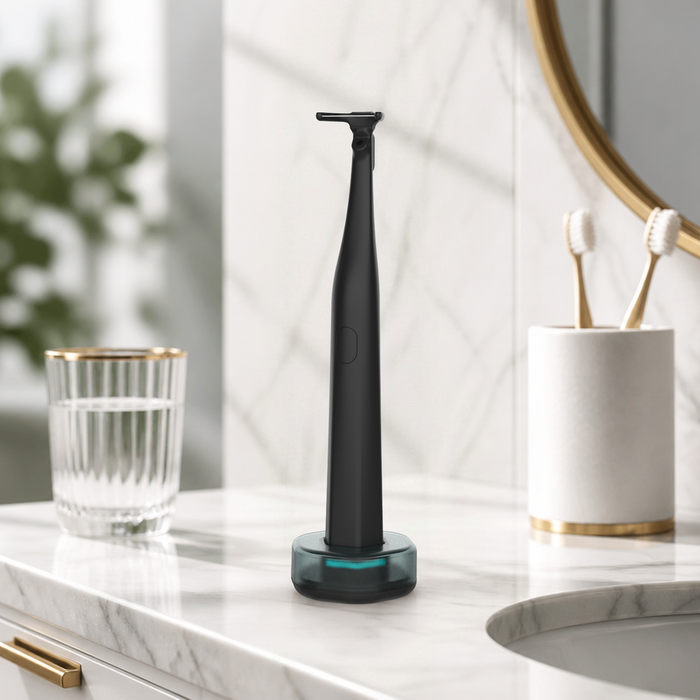
A dry, cordless alternative to manual flossing — with replaceable floss heads, adjustable vibration, and ergonomic control. No water tank. No water jet. Just a simpler way to keep up with daily between-teeth cleaning.
Our Products
-
Voraiya Ergonomic Design LED-Guided Electric Flosser Kit
Regular price $99.99 USDRegular price -
Voraiya Flosser Electric Flosser Kit (50 Heads)
Regular price $69.90 USDRegular price


What Is a Denture Cleaner?
A denture cleaner is a device or method designed to remove plaque, tartar, and bacterial biofilm from denture surfaces — a task that ordinary toothbrushes struggle with because denture acrylic is inherently more porous than natural tooth enamel, creating microscopic grooves where bacteria and stain-causing compounds become embedded.
The three most common ways people clean dentures:
-
Manual brushing removes surface-level debris but can wear down the acrylic surface over time and cannot reach into porous subsurface areas.
-
Chemical soaking tablets dissolve some organic residue and provide antibacterial action, but soaking alone does not physically dislodge embedded biofilm and typically takes 15–30 minutes per cycle.
-
Ultrasonic cleaning uses high-frequency cavitation bubbles that implode against the denture surface, physically lifting plaque and debris out of porous grooves in a fraction of the time.
VoraiyaOral combines ultrasonic cavitation with UV-C sterilization in a single 5-minute automated cycle, engineered to reach the microscopic pores of denture acrylic and around metal clasps on partial dentures.
The Science: Denture Biofilm & Stomatitis Risk
Removable dentures sit directly against oral tissue for extended periods and can harbor opportunistic pathogens, including yeast species linked to denture stomatitis — a common inflammatory condition affecting the tissue beneath dentures. Because denture acrylic is more porous than natural enamel, biofilm can become embedded below the surface, where brushing alone often cannot fully reach.
A 2024 randomized crossover clinical trial published in the Journal of Dentistry compared ultrasonic cleaning combined with a denture cleanser solution against conventional brushing plus soaking, in a 3-month study of community-dwelling older adults. The results found:
-
Ultrasonic cleaning combined with a cleanser solution significantly improved denture cleanliness and patient satisfaction compared to conventional brushing and soaking alone.
-
Both denture-wearing habits and denture age were significantly associated with plaque coverage outcomes.
-
The study's effect on denture stomatitis specifically was not statistically significant compared to the control method — an important, honest finding that reflects the complexity of managing this condition.
What this means in practice:Ultrasonic cleaning excels at the physical removal of plaque and biofilm, which is the foundation of good denture hygiene. For users managing denture stomatitis or higher infection risk, combining ultrasonic cleaning with a chemical denture cleanser solution — rather than water alone — reflects the strongest evidence-based approach. We're transparent about this because using an evidence-based routine matters more than any single product claim.
Best for — Who This Is For
Full and partial denture wearers building a daily routine
Whether you wear a complete upper/lower set or a partial with metal clasps, the 200ml tank and SUS304 stainless steel basket comfortably accommodate full dentures while gently cleaning around clasp joints on partials.
Caregivers managing a family member's denture hygiene
If you help a parent or loved one keep up with daily denture care, an automated 5-minute cycle removes the guesswork of timing a manual soak, making it easier to maintain a consistent routine even when you're not always present.
Anyone managing denture odor or visible staining
If brushing and soaking haven't fully resolved persistent odor or yellowing, ultrasonic cavitation reaches embedded biofilm in porous acrylic that surface cleaning methods often miss.
Why Choose Voraiya?
Trusted by thousands of customers worldwide, Voraiya uses advanced ultrasonic technology to deliver a deeper, safer, and faster clean than traditional methods.
Clinically Studied Method
Backed by peer-reviewed research on denture biofilm removal
Fits Full & Partial Dentures
200ml tank accommodates complete sets and clasp-based partials
5-Minute Cycle
Automated ultrasonic + UV-C in one press-button session
Gentle on Acrylic & Metal Clasps
Non-abrasive cavitation safe for porous denture material
How to Choose the Right Denture Cleaner
Match your denture type.
Full dentures need adequate tank capacity to submerge completely; partial dentures with metal clasps benefit from a basket design that prevents clasps from scratching acrylic surfaces during cleaning.
Consider adding a cleanser solution for higher-risk cases.
If you're managing denture stomatitis or a history of oral yeast infections, clinical evidence supports pairing ultrasonic cleaning with a chemical denture cleanser rather than relying on water alone.
Prioritize ease of daily use.
A one-button automated cycle removes the need to time a manual soak, which is especially valuable for older adults or anyone managing dexterity challenges — see our [Kids & Seniors collection] for devices built around single-button simplicity.
Explore More Collections
-
Ultrasonic Retainer Cleaner
Deep-dive into 52kHz ultrasonic technology for retainers.
-
Ultrasonic Aligner Cleaner
Learn the clinical science behind daily aligner biofilm removal.
-
Kids & Seniors
Tactile, single-button devices built for simplicity and family care.
-
Office / Clinic Grade
Quiet, desktop-friendly ultrasonic cleaners for daily routines.
-
Best Sellers
Our highest-rated cleaners ranked by verified reviews.
Frequently Asked Questions About Retainer Cleaners
No. Ultrasonic cavitation is a non-abrasive physical process that lifts plaque out of the acrylic's pores without scratching the surface or loosening metal clasps on partial dentures, when used with a device calibrated for medical-grade thermoplastics.
Daily cleaning is recommended, ideally at the same time each day, since biofilm continues to accumulate on porous denture surfaces with regular wear.
Water-only ultrasonic cleaning is effective at physically removing plaque and biofilm. However, clinical research shows that combining ultrasonic cleaning with a chemical denture cleanser solution provides the strongest evidence-based results, particularly for anyone managing denture stomatitis or higher infection risk.


